

In this article · 17 sections
- North ABC Trek at a Glance
- What Is the North ABC Trek?
- Why the North ABC Trek Deserves a Spot on Your List
- How to Reach Humkhola, the North ABC Starting Point
- North ABC Trek Route and Walking Times
- My 2-Day North ABC Itinerary (What We Actually Did)
- Recommended 4-Day North ABC Itinerary
- North ABC Trek Cost Breakdown
- Where to Stay on the North ABC Trek
- North ABC Trek Permits
- Best Time for the North ABC Trek
- How Hard Is the North ABC Trek?
- Is the North ABC Trek 2 Days or 4 Days?
- North ABC Trek Packing List
- More North ABC Guides
- Final Thoughts on the North ABC Trek
- FAQs About the North ABC Trek
At a glance
- Best time to visit
- Late Sept–Nov and Mar–May
- Budget
- About NPR 7,300 per person (our 2-day trip)
- Duration
- 2–4 days from Humkhola
- Difficulty
- Moderate to strenuous
- Max altitude
- 4,190 m (old base camp about 4,310 m)
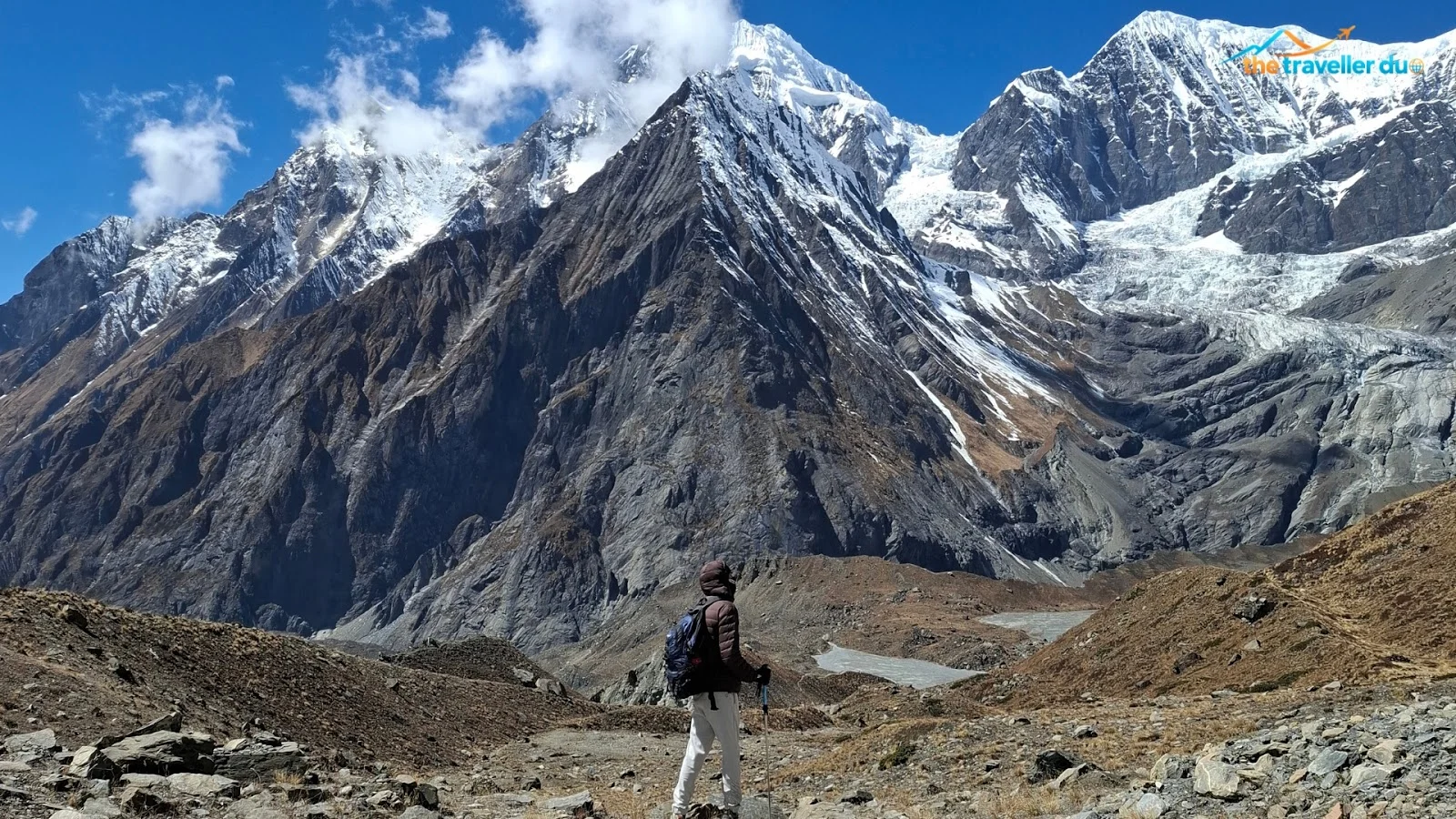
Ever stood at 4,310 meters with snow on every side and a blue sky above? I did, at the end of the North ABC Trek in Myagdi. It felt like stepping inside a postcard.
This is my honest guide to the North Annapurna Base Camp trek. You get real prices and real timings from our trip. You also get the route, where to sleep, permits, the best season and a few mistakes you can skip. We rushed it in 2 days. I will also show you the smarter 4-day plan.
North ABC Trek at a Glance
| Detail | Information |
|---|---|
| Trail name | Maurice Herzog Trail, better known as the North ABC Trek |
| Location | Narchyang, Annapurna Rural Municipality-4, Myagdi, Gandaki Province |
| Trek starts at | Humkhola (about 2,840 m) |
| Highest point | North ABC about 4,190 m; old base camp about 4,310 m |
| Panchakunda Lake | About 4,050 m |
| Trail length | About 22 km one way from Humkhola to the base camp |
| Days needed | 2 days (fast) to 4 days (recommended) from Humkhola |
| Difficulty | Moderate to strenuous, mainly because you gain height fast |
| Permits | ACAP permit; foreigners also need a TIMS card and a licensed guide |
| Best time | Late September to November, and March to May |
| What we spent | About NPR 7,300 per person, Kathmandu to Beni |
What Is the North ABC Trek?
The North ABC Trek follows the side of Annapurna I that the French expedition used in 1950. On 3 June 1950, Maurice Herzog and Louis Lachenal stood on the summit of Annapurna I (8,091 m). It was the first 8,000-meter peak ever climbed.
For decades almost nobody walked this side of the mountain. In 2011 a local teacher, Tej Bahadur Gurung, mapped a route up the Mistri Khola valley. In 2020 Annapurna Rural Municipality named it the Maurice Herzog Trail. Today most trekkers simply call it North ABC.
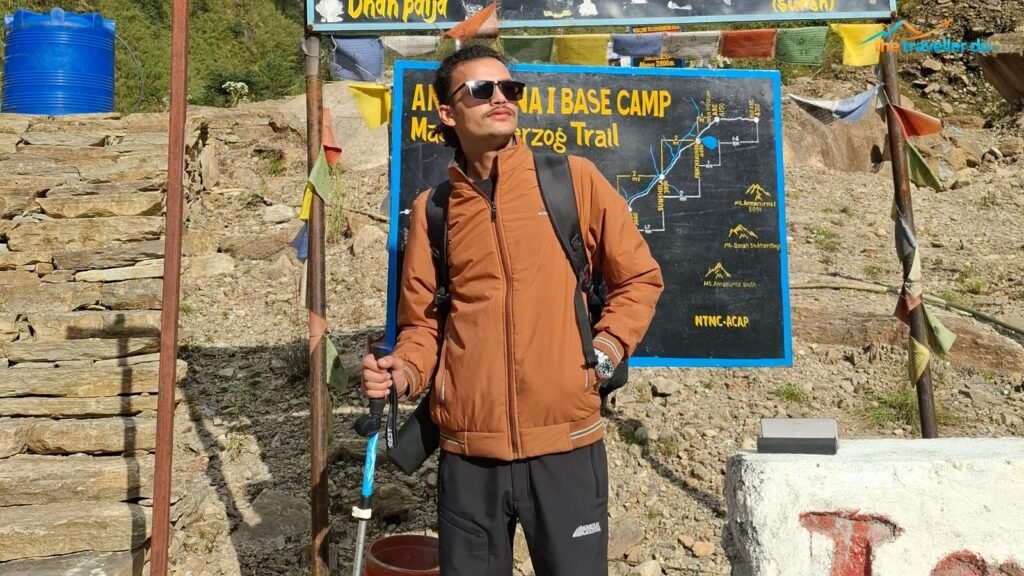
It is a very different trip from the classic Annapurna Base Camp trek on the Pokhara side. The trail is newer and rawer. The climb is steeper. The crowds are smaller for most of the year. If you are choosing between the two, read my North ABC vs ABC comparison.
Why the North ABC Trek Deserves a Spot on Your List
I had never done a multi-day trek before this one. My bag weighed over 25 kg. I was nervous and excited in equal parts. Then the trail pulled me in.
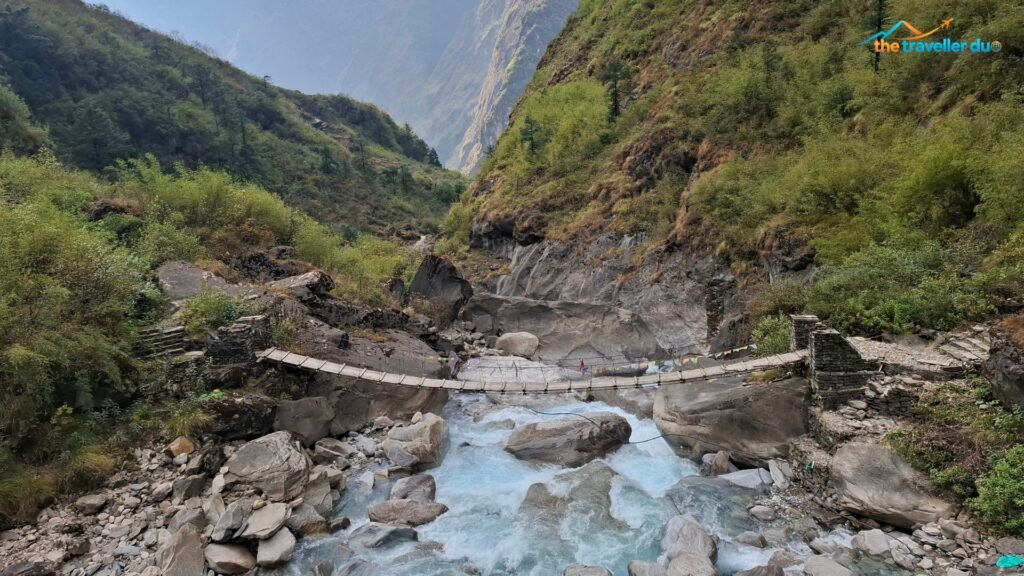
The North ABC Trek has waterfalls and wooden bridges. It has cozy homestays and a glacier-fed lake. At the top comes a 360-degree wall of white peaks. It is raw and wild.
Here is what makes it special:
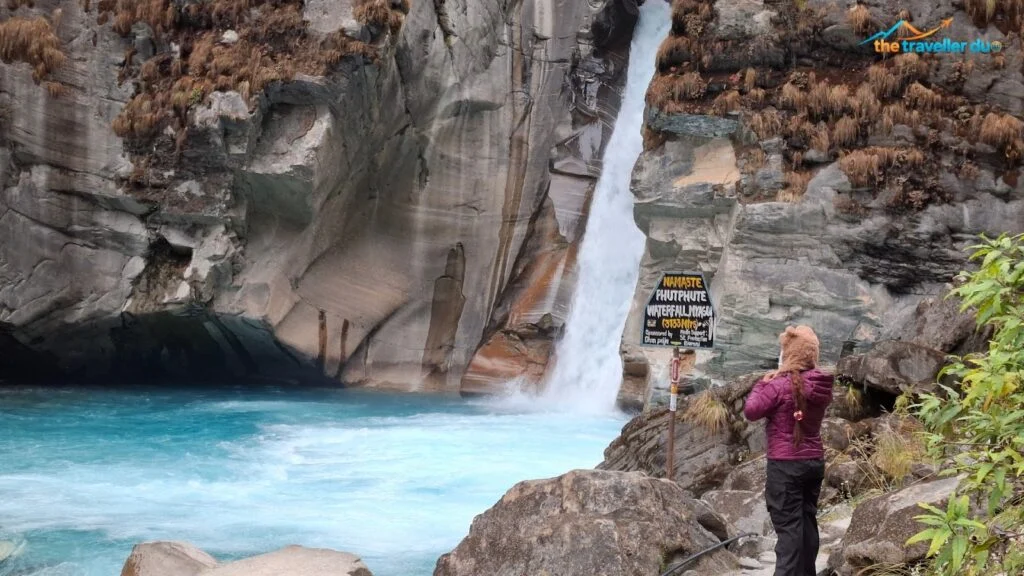
- Phutphute waterfall (Futfute Jharna), a turquoise fall about 2 hours above Humkhola
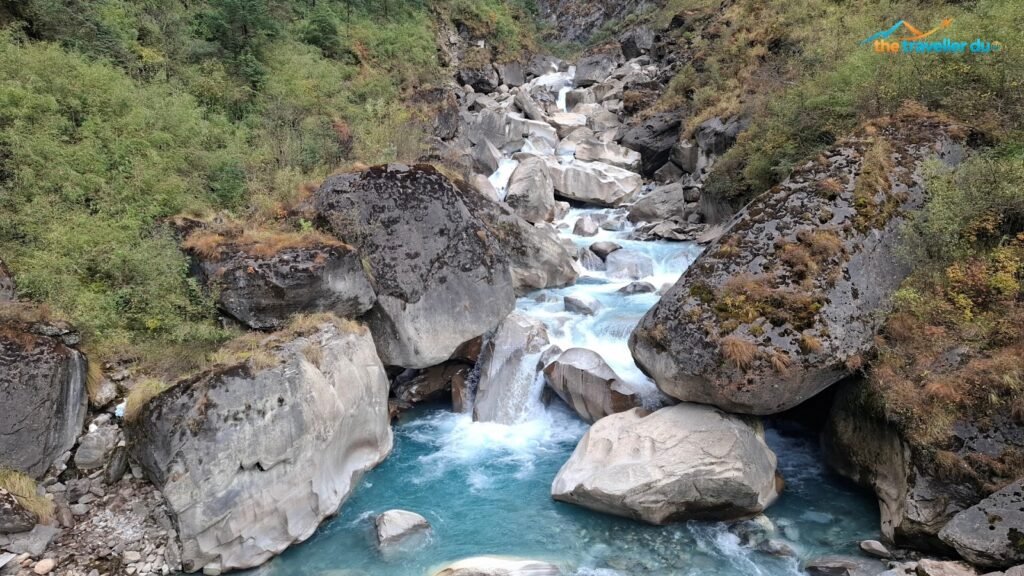
- The Mistri Khola, a river so blue it looks unreal
- Panchakunda Lake at about 4,050 m, right below Annapurna I
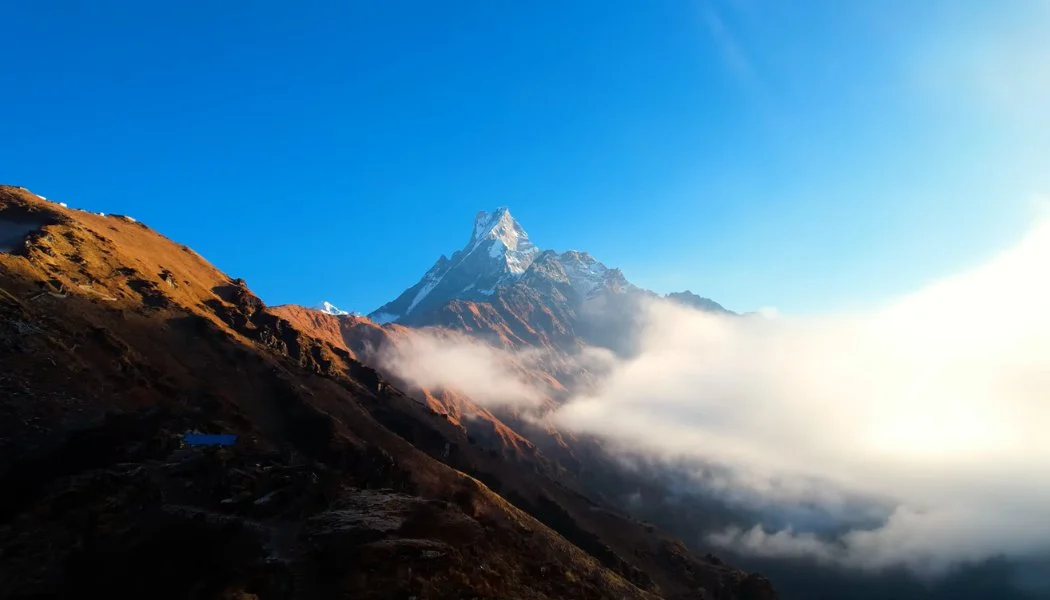
- Close views of the Annapurna I north face, Tilicho Peak and the Nilgiri range
- You can reach the base camp in 2 days from the road
Think of it as a hidden track on your favorite album. Not everyone knows it yet. Those who do keep talking about it.
How to Reach Humkhola, the North ABC Starting Point
Your journey begins in Pokhara. The short version looks like this:
- Kathmandu to Pokhara by bus. We paid NPR 1,200 per person.
- Pokhara to Tatopani (Myagdi) on a Jomsom-bound bus. We left at 6 AM and paid NPR 800 each.
- Tatopani to Humkhola by Bolero jeep. It costs NPR 8,000 for the whole jeep.
We reached Pokhara at night and rested. At 6 AM we boarded the Jomsom bus. We got off at Tatopani. You can also get off at Beni and hire a jeep from there.
Here is the catch. The road is wild. The bus zigzags along steep edges. A recent Kaligandaki flood had damaged big parts of it. It felt like a roller coaster with no safety bar. Still, that is part of the fun.
We arrived at 12:30 PM and starving. A Thakali khana set cost NPR 350. It was warm and filling. Perfect fuel for what came next.
Getting from Tatopani to Humkhola
The real North ABC Trek begins at Humkhola. You cannot walk there easily. You need a Bolero jeep from Tatopani.
The Bolero costs NPR 8,000 in total. It stays the same whether you are one person or eight. So share the ride! We were three and met another group of three. Each group paid NPR 4,000.
This is no smooth drive. It is a full off-road adventure on a track built for the hydropower projects. The river runs right beside it. Then our tire went flat. We sat there for half an hour. Our driver fixed it fast and we rolled on.
The views made up for everything. Tall mountains rose on both sides. Waterfalls dropped from the cliffs. The water looked like blue ocean. It flows straight from the glacier. Ever seen water that clear?
For bus stops, timings and the return trip, see my full guide on how to reach Humkhola.
North ABC Trek Route and Walking Times
The trail climbs from Humkhola up the Mistri Khola valley to the base camp. These are typical walking times. Fast walkers will be quicker.
| Section | Altitude at the end | Typical time |
|---|---|---|
| Humkhola to Phutphute waterfall | Around 3,100 m | About 2 hours |
| Phutphute to Sandhikharka | Around 3,200 m | 30 to 45 minutes |
| Sandhikharka to Gufaphant | 3,319 m | About 2 hours |
| Gufaphant to Panchakunda Lake via Bhusket Mela | 4,050 m | 3 to 5 hours |
| Panchakunda Lake to North ABC | About 4,190 m | About 30 minutes |
Signboards and sources do not always agree on altitudes, so treat them as close guides. We walked from Humkhola to Gufaphant in about 3 hours, and from Gufaphant to the lake in 3 hours. Locals told us to expect about 5 hours for the second part.
My 2-Day North ABC Itinerary (What We Actually Did)
Day 1: Humkhola to Gufaphant
We reached Humkhola around 3:30 PM. We wore our gear and took photos. Then we started walking. My heart was racing with joy.
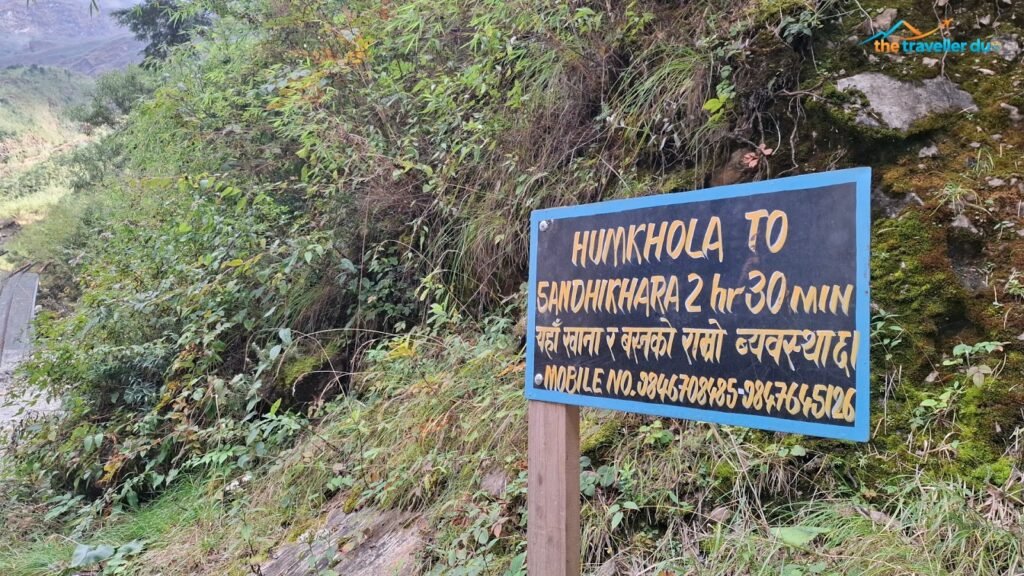
Our first stop was Phutphute waterfall, also called Futfute Jharna, near Guransedanda. This waterfall is stunning. The water is crystal clear. A wooden suspension bridge sits nearby. Another tall fall stands close too.
Next we climbed to Sandhikharka. It is the first homestay on the route. Many trekkers stay there. We felt strong though. So we pushed higher.
We reached Gufaphant (some signs say Ghufaphant) around 6:30 PM. We stayed for NPR 1,800 per person. For most trekkers this is fair value. The staff were warm and friendly. We had veg khana and hot tea. A bonfire kept us cozy. Nights here sit around 1 to 4 degrees Celsius. So pack warm layers.
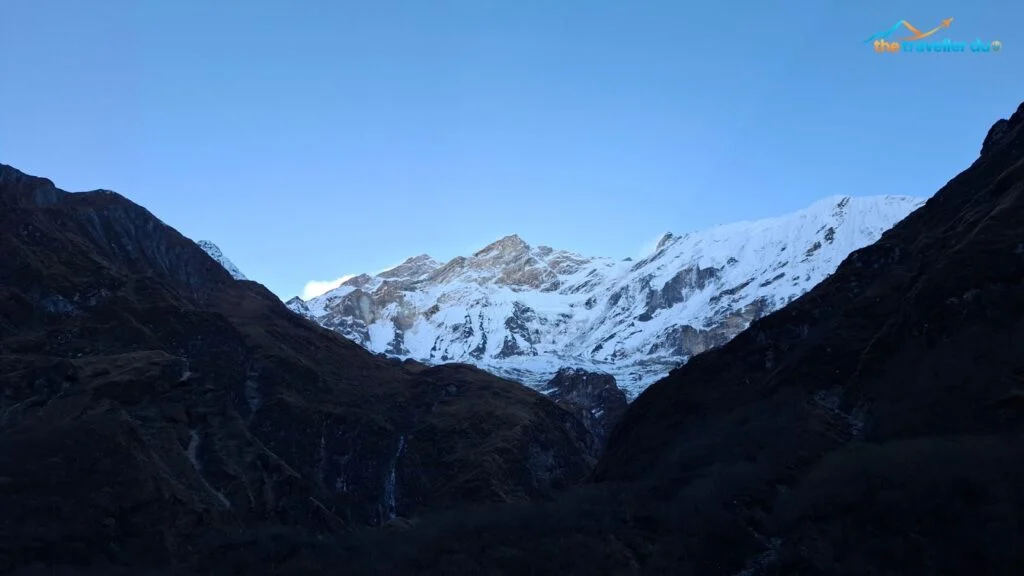
Day 2: Gufaphant to Panchakunda Lake and the Base Camps
We woke at 5:30 AM. We hit the trail by 6. Locals say the lake takes about five hours. We got there by 9. Walking fast has its perks.
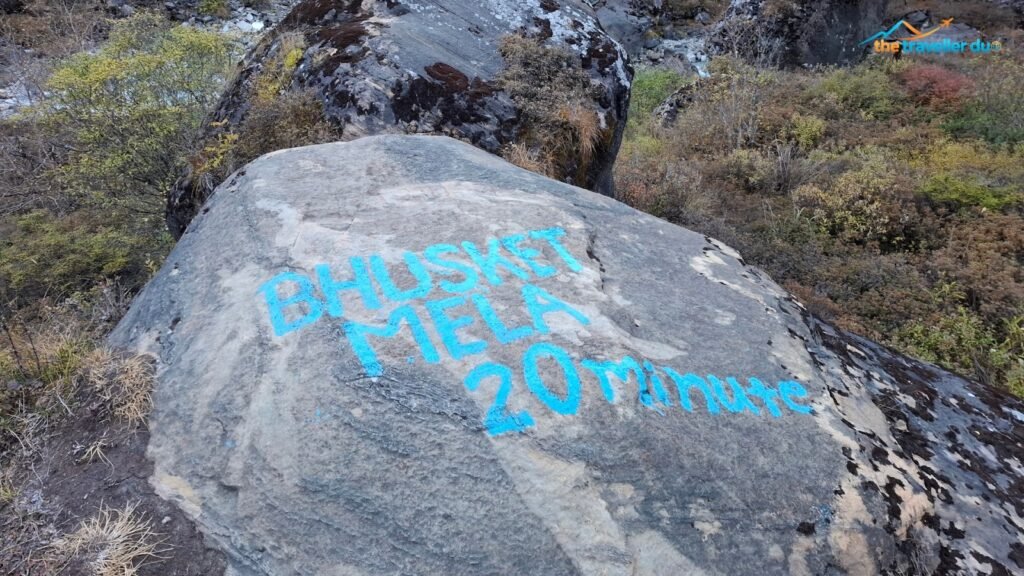
On the way you pass Bhusket Mela, a high pasture at about 3,530 m. Painted rocks count down the last minutes to it. You can rest there if you need a break.
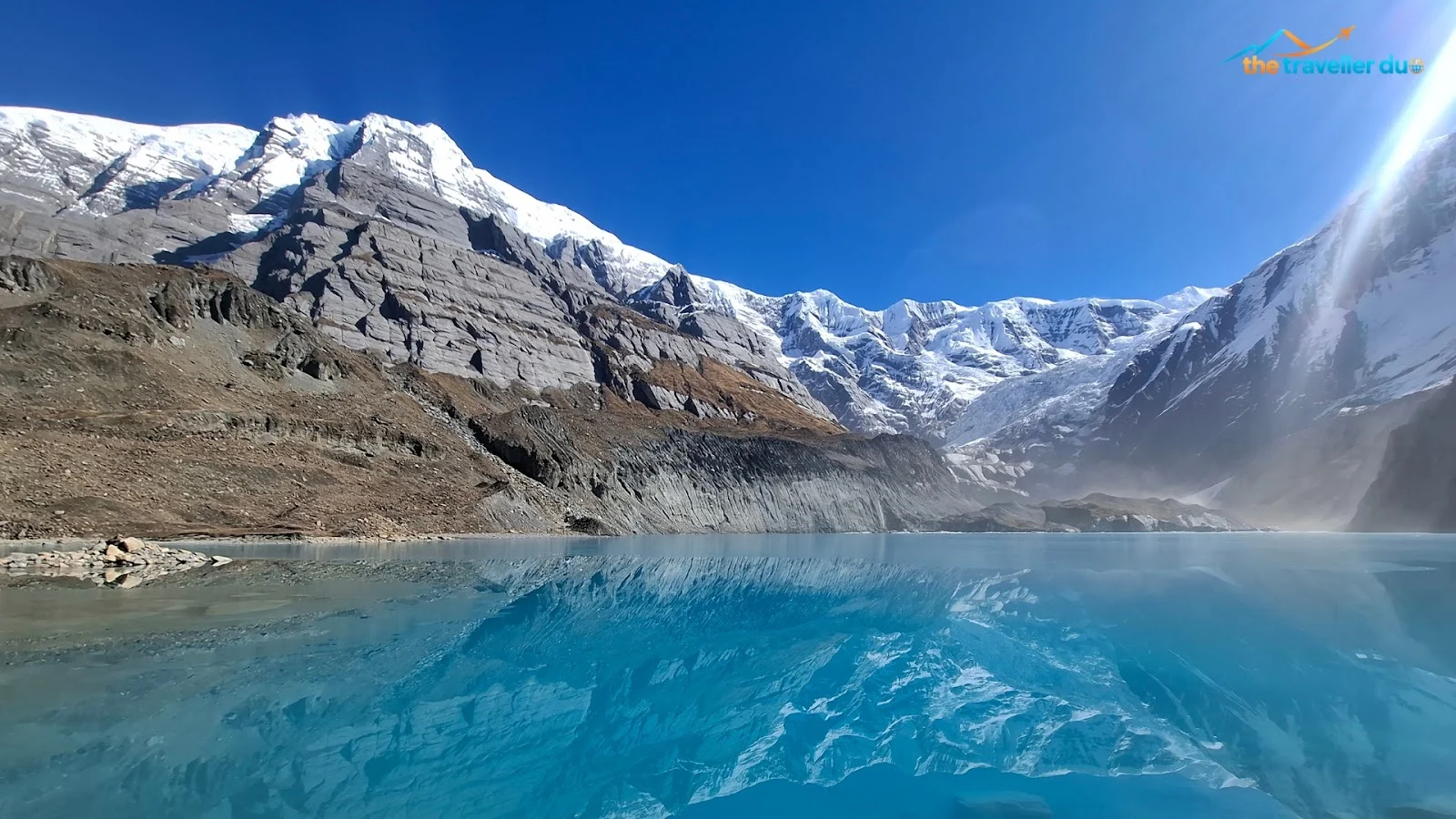
The lake sits at about 4,050 meters. Sunlight bounced off the snow so hard we squinted. We stayed one full hour. We meditated and took photos. We simply breathed. It felt like pressing pause on the world.
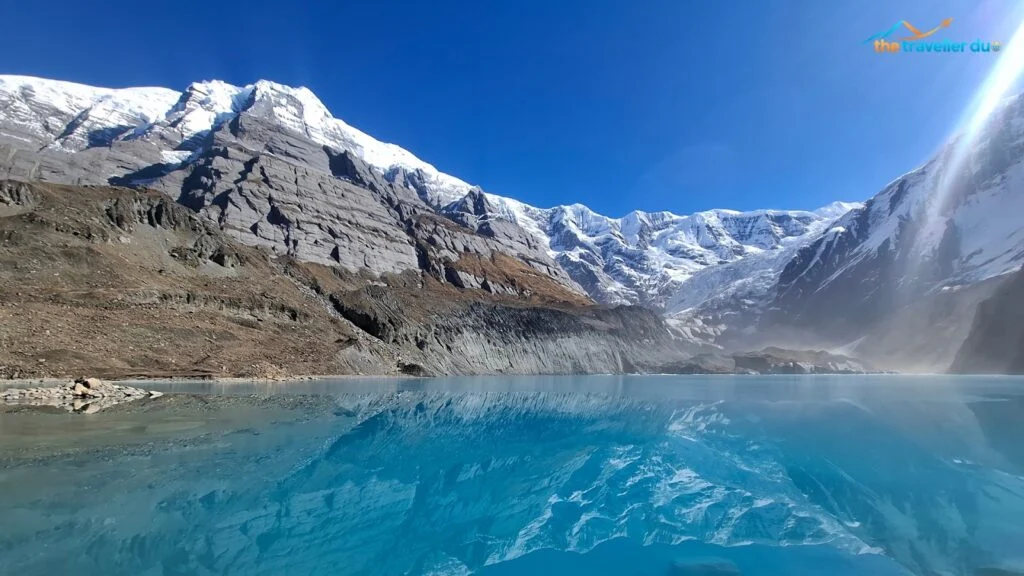
At 10 AM we moved on. The first base camp sits at about 4,150 to 4,190 meters. The second one is the old base camp at about 4,310 meters.
After the second camp the world opens up. Snow stretches in every direction. Giant peaks circle you. The sky is deep blue. I have never seen a view like it. I stood still for a long moment. Honestly I wished I could share it with someone special.
We left at 12:30 PM and started down. We walked more than five hours straight. We reached Humkhola at 6 PM. Our legs were jelly. Our smiles were huge.
Going straight to Beni made more sense than staying in Tatopani. The Bolero cost NPR 5,500 for three of us. We slept there that night.
Recommended 4-Day North ABC Itinerary
Most people plan the trek as 3 nights and 4 days. This gives your body time to adjust to the altitude. It is the plan I would follow next time.
| Day | Route | Sleep at |
|---|---|---|
| Day 1 | Pokhara to Tatopani by bus, jeep to Humkhola, walk past Phutphute waterfall | Sandhikharka (around 3,200 m) |
| Day 2 | Sandhikharka to Gufaphant and Bhusket Mela, an easy day for acclimatization | Bhusket Mela (about 3,530 m) or Gufaphant |
| Day 3 | Early start to Panchakunda Lake and North ABC, then walk down | Gufaphant (3,319 m) |
| Day 4 | Walk down to Humkhola, jeep to Beni, bus to Pokhara | Beni or Pokhara |
Want sunrise at the lake? Add one more night and sleep near Panchakunda. Only do this if you feel well at Bhusket Mela first.
North ABC Trek Cost Breakdown
Here is exactly what we spent on our 2-day trip:
| Item | Cost | Per person |
|---|---|---|
| Bus, Kathmandu to Pokhara | NPR 1,200 per person | NPR 1,200 |
| Bus, Pokhara to Tatopani | NPR 800 per person | NPR 800 |
| Thakali khana in Tatopani | NPR 350 per person | NPR 350 |
| Bolero, Tatopani to Humkhola | NPR 8,000 per jeep, shared by two groups of three | About NPR 1,330 |
| Night at Gufaphant | NPR 1,800 per person | NPR 1,800 |
| Bolero, Humkhola to Beni | NPR 5,500 for three people | About NPR 1,830 |
| Total | About NPR 7,300 |
That total does not include snacks, the bus home from Beni or permits. If you follow the 4-day plan, add two more nights on the trail. Going by our night at Gufaphant, plan for at least NPR 1,800 per person per night. A Nepali trekker sharing jeeps can expect roughly NPR 12,000 to 15,000 from Kathmandu and back. Foreign trekkers should add permit fees and a licensed guide.
A few ways to save money:
- Share the jeep. The price is per vehicle, so a group of six pays half of what a group of three pays.
- Carry a water purifier instead of buying bottled water.
- Bring snacks from Pokhara. Everything costs more higher up.
- Carry enough cash. Do not count on cards or ATMs after Beni.
Prices change with seasons. Always confirm locally before you go.
Where to Stay on the North ABC Trek
There are no big lodges here. You sleep in simple family homestays and seasonal tea houses. The main stops are Sandhikharka, Gufaphant, Bhusket Mela and a tea house near Panchakunda Lake.
In spring and during festival holidays these fill up fast. Many signboards on the trail list homestay phone numbers. Call ahead if you can. I cover every stop, with prices and booking tips, in my guide on where to stay on the North ABC Trek.
North ABC Trek Permits
The trail lies inside the Annapurna Conservation Area, so you need the right papers:
- ACAP permit: NPR 3,000 for foreigners and NPR 1,000 for SAARC nationals.
- TIMS card: needed by foreign trekkers. Since April 2023, foreigners must also trek with a licensed guide in Nepal’s protected areas.
- Nepali citizens: carry your citizenship card or national ID. You may be asked to register at checkpoints.
You can get permits at the Nepal Tourism Board office in Bhrikutimandap, Kathmandu, or at the Tourist Service Centre in Pokhara. Rules and fees change, so confirm before you go.
Best Time for the North ABC Trek
- Late September to November: the clearest skies and the best mountain views. By November some parts of the trail can freeze, so take care in the mornings.
- March to May: warmer days and flowers in the lower forest. This is also the busiest time. About 6,000 domestic trekkers walked the trail in spring 2025 alone.
- June to August (monsoon): big waterfalls but clouds, leeches, landslides and road damage. Not recommended.
- December to February: very cold, with snow higher up. Only for experienced trekkers.
Also check road conditions after the monsoon. Floods can change everything. Ask locals or your bus driver for updates.
How Hard Is the North ABC Trek?
The trail itself is not technical. The challenge is altitude. You climb about 1,350 meters from Humkhola to the base camp in roughly 22 km. That is a lot of height in a short time.
Watch for signs of altitude sickness: headache, nausea, dizziness and trouble sleeping. If they get worse, go down. Do not sleep higher than you need to on your first night. In busy seasons, beds can run out higher up. Reports from past seasons describe tired trekkers spending nights outside in the cold. Carry a warm sleeping bag just in case.
Is the North ABC Trek 2 Days or 4 Days?
Most people plan it as 3 nights and 4 days. We did it in 1 night and 2 days. Fast walkers can pull it off. Some people told us we rushed. They had a point. You miss small details when you hurry.
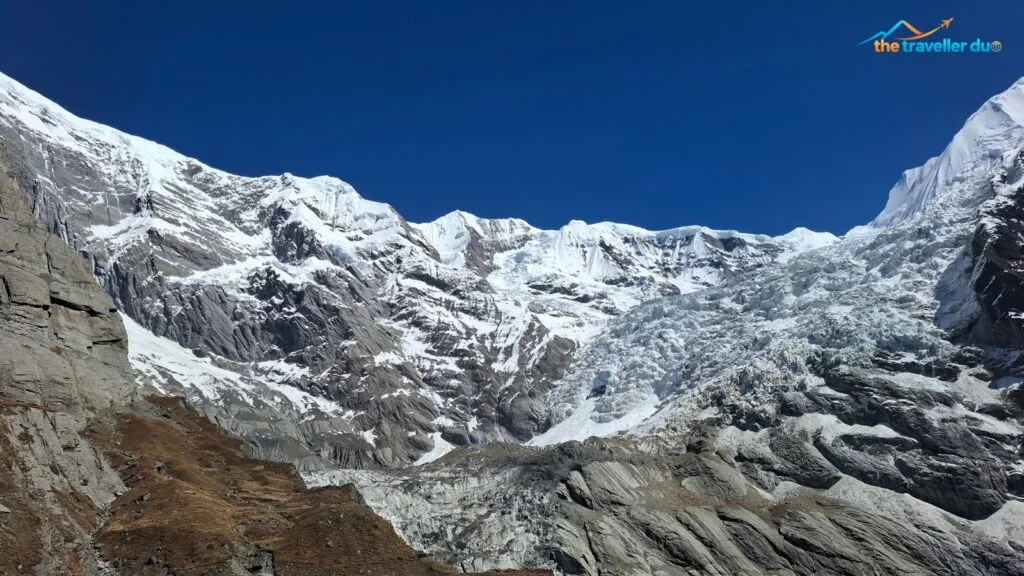
We had our reasons. Money and weather pushed us down on day two. Still I would suggest more time. Stay a night near the lake if you can. Let your body adjust to the height. Fast trekking is possible. Slow trekking is smarter.
North ABC Trek Packing List
Keep your pack light. My 25 kg bag hurt my shoulders. Here is what actually matters:
- Warm down jacket, fleece and thermal layers
- Gloves, a warm hat and a buff
- Good sunglasses and sunscreen, because the glare near the lake is strong
- Broken-in trekking boots and a pair of trekking poles
- A warm sleeping bag
- Headlamp and a power bank
- Water bottle and a water purifier
- Snacks, cash and a basic first aid kit with altitude medicine your doctor approves
- A light rain jacket
Start early each day. Mountain weather turns fast, and the afternoons often bring cloud.
More North ABC Guides
Planning your trip? These guides go deeper:
- Panchakunda Lake guide: altitude, legend, route and best time
- Phutphute waterfall (Futfute Jharna): the first big highlight of the trail
- Where to stay on the North ABC Trek: homestays, tea houses and prices
- How to reach Humkhola: bus and jeep from Pokhara, with fares
- North ABC vs ABC: which Annapurna base camp trek is right for you
Final Thoughts on the North ABC Trek
This trek taught me something simple. Adventure does not need a perfect plan. It needs a brave first step. From the bumpy bus to the glowing lake every moment mattered. I came back tired and happy. Mostly I came back changed.
If you want a wild and beautiful route this one is for you. Pack well and walk steady. Then let the mountains do the talking.
FAQs About the North ABC Trek
Where does the North ABC Trek start?
It starts at Humkhola (about 2,840 m) in Myagdi. Most people take a bus from Pokhara to Tatopani or Beni, then a Bolero jeep to Humkhola. The jeep cost us NPR 8,000 for the whole vehicle.
How high is North Annapurna Base Camp?
The current North ABC sits at about 4,190 m. The old base camp is a little higher, at about 4,310 m. Panchakunda Lake, just below, is at about 4,050 m.
How many days do you need for the North ABC Trek?
Plan 4 days from Humkhola (3 nights) for a comfortable trip. Fit trekkers can do it in 2 days, as we did, but the fast altitude gain makes the longer plan safer.
How much does the North ABC Trek cost?
Our 2-day trip cost about NPR 7,300 per person from Kathmandu to Beni, sharing jeeps. A 4-day trip for a Nepali trekker is roughly NPR 12,000 to 15,000 from Kathmandu and back. Foreigners should add permits and a licensed guide.
Do I need a permit for the North ABC Trek?
Yes. Foreigners need an ACAP permit (NPR 3,000, or NPR 1,000 for SAARC nationals), a TIMS card and a licensed guide. Nepali citizens should carry their citizenship card or ID.
Can beginners do the North ABC Trek?
Yes, if you are fit and prepared. It was my first multi-day trek. Take the 4-day plan, walk slowly and watch for altitude sickness.
Where can I stay on the North ABC Trek?
You can stay in homestays and tea houses at Sandhikharka, Gufaphant and Bhusket Mela, plus a tea house near Panchakunda Lake. We paid NPR 1,800 per person at Gufaphant. See the full stay guide.
Is North ABC the same as the Annapurna Base Camp trek?
No. The classic ABC trek starts near Pokhara and reaches 4,130 m in the Annapurna Sanctuary. North ABC is on the Myagdi side and follows the 1950 French route. See North ABC vs ABC.
1 comment