
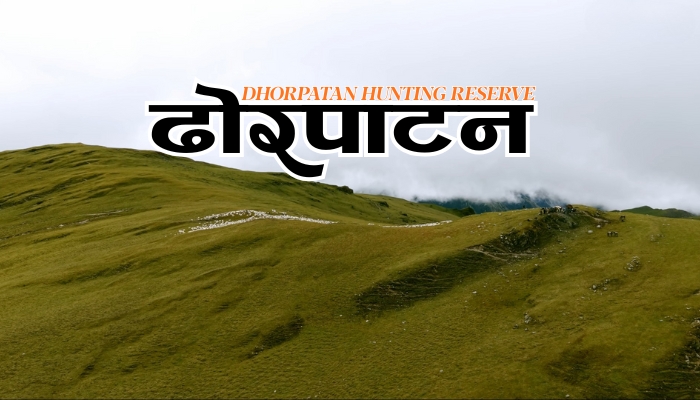

Picture this: you’re standing on a vast alpine meadow at sunrise. Snow-capped mountains float above endless clouds. Your only company is a shepherd and their flock. This isn’t a dream. This is Dhorpatan. While thousands crowd the Everest Base Camp trail every year, this hidden corner of Western Nepal remains refreshingly quiet. If you crave authentic adventure over Instagram moments, keep reading.
.jpg)
What Makes Dhorpatan Different From Other Nepal Treks?
Most travelers follow the same well-worn paths in Nepal. They trek to Everest. They explore Annapurna. They visit the same teahouses. Dhorpatan breaks that pattern completely. This region sits largely undiscovered by mass tourism. You won’t find fancy lodges here. You won’t see crowds jostling for space at viewpoints.

What you will find is genuine connection. The Dhorpatan Hunting Reserve trek offers something rare in modern travel. It offers solitude mixed with cultural immersion. It offers high-altitude beauty without the infrastructure. Most importantly, it offers real interaction with local communities who welcome visitors warmly.
I’ve walked these trails. I’ve slept in shepherd huts. I’ve shared meals with families who’ve lived here for generations. That hands-on experience shapes everything I’m sharing with you today.
Understanding the Dhorpatan Hunting Reserve: Facts You Should Know
The Dhorpatan Hunting Reserve sits in Western Nepal’s Baglung and Myagdi districts. It’s Nepal’s only legal hunting reserve. That might sound controversial, but it actually protects wildlife. Controlled hunting helps manage populations sustainably.
.jpg)
The reserve covers roughly 1,325 square kilometers of pristine landscape. Blue sheep thrive here. Himalayan tahrs roam the cliffs. The endangered musk deer lives in these forests. This isn’t just a hunting zone. It’s a legitimate wildlife sanctuary that balances conservation with sustainable use.
Here’s what impressed me most: the reserve’s commitment to local communities. Hunting permits generate significant income. This money flows directly to local development projects. Families I met used permit revenue for school construction and medical facilities. Tourism adds another income stream without depleting resources.
The Trek Itself: What to Expect at Different Altitudes
Let me walk you through the actual journey. This trek unfolds in distinct phases. Each phase reveals something new about the landscape and culture.

Phase One: Getting to the Gateway Town
Your adventure starts in Pokhara. You’ll travel by jeep or bus toward Burtibang. This town sits at 1,110 meters and serves as your last real supply point. Stock up on cash here. ATMs vanish once you head toward higher elevations. The drive takes eight to ten hours depending on road conditions.
Burtibang feels like a frontier town. It’s dusty and alive and chaotic. Local trucks rumble through constantly. This is where civilization meets wilderness. The Hotel Tiger offers basic but clean rooms. It’s not luxury but it gets the job done.
.jpg)
Phase Two: The Rough Road Adventure
Day two brings the most challenging part of the entire trek. You’ll ride a 4WD vehicle on an unpaved mountain track. This isn’t a smooth drive. The road has massive potholes and steep drop-offs. But it’s also thrilling. Window views constantly shift between deep valleys and jagged peaks.
You’ll pass through Bobang Village around midday. This traditional Magar settlement sits nestled in agricultural terraces. Locals grow millet and potatoes. They raise yaks. Life here moves slowly and deliberately. You’ll collect your official permit here at the reserve checkpoint.
Pakhathar Homestay becomes your base in Dhorpatan Valley. Jeevan Kumar Pun Magar runs this family operation. His hospitality matches the mountain scenery. His wife prepares meals using vegetables from their own garden. You’ll sleep in simple but clean rooms. There’s no electricity here but that’s kind of the point.

Phase Three: Cultural Immersion and Acclimatization
Spend one full day exploring Dhorpatan Valley before heading higher. Visit Tharuk Gumba monastery. Its red-painted walls stand out against green forests. Tibetan refugees built this structure in the 1960s. Prayer flags flutter in mountain breezes. Buddhist monks maintain this quiet sanctuary.
The local hunting museum offers surprising insights. You’ll see confiscated snares and traps. You’ll learn about quotas for blue sheep and tahrs. Display photos show successful hunts alongside wildlife conservation efforts. It’s a nuanced story most travelers never encounter.
Phase Four: The High Altitude Experience
Day four brings you to Garpa Cheda at 4,010 meters. The trail climbs steeply through forests then opens onto meadows. You’ll pass a small school where shepherd children study between herding duties. Their resilience will inspire you.
Blue Sheep Goat Stay provides accommodation in basic but authentic conditions. You might sleep in a tent or shepherd’s hut. You’ll eat simple food. You’ll have limited water for washing. This isn’t comfortable tourism. This is real living at altitude.
Phase Five: The Magical Bukipatan Plateau
The final push to Tikadhara at 4,190 meters happens on day five. Wake before dawn. Watch sunrise paint the world in gold and pink. Dhaulagiri and Gurja Himal pierce the clouds around you. The Bukipatan plateau stretches endlessly in all directions.
Massive Tibetan sheepdogs guard the herds here. These fierce dogs weigh as much as small humans. They protect livestock from snow leopards and bears. Never approach the animals without the shepherd’s permission. These dogs take their job seriously.
You’ll likely meet shepherds who’ve spent months tending their flocks at this elevation. They live simply. They understand this landscape intimately. Their knowledge of weather patterns and animal behavior runs deep. Many will share tea and stories if you show genuine interest.
Practical Details That Make the Difference
Pack waterproof trekking boots without question. The trails turn muddy during monsoon season. Good boots prevent slipped ankles and sore feet. Bring a reliable rain jacket. Sudden storms develop quickly at altitude.
Carry a power bank for your phone. Electricity is completely absent in the high pastures. Cash is essential. The nearest ATM sits in Burtibang. Bring small bills for tips and spontaneous purchases. Energy bars and nuts provide crucial calories when hunger hits between meals.
The permit fees seem reasonable. Nepali citizens pay 100 rupees. SAARC nationals pay 1,500 rupees. Foreigners pay 3,000 rupees. These fees support local development and conservation efforts. You’re contributing to something meaningful when you pay.
Conclusion: Why This Trek Matters
The Dhorpatan Hunting Reserve trek isn’t about checking boxes. It’s not about collecting passport stamps or Instagram photos. It’s about genuine human connection and wild beauty. You’ll meet people who live differently than you do. You’ll sleep under stars without light pollution. You’ll understand why conservation matters when you see it working in practice.
This trek requires effort. It demands patience with rough roads and basic accommodations. But that effort rewards you with authentic experiences most tourists never access. You’ll return home changed. You’ll have stories that matter. You’ll carry memories that deepen over time rather than fade.
Frequently Asked Questions About Dhorpatan
Q: When is the best season for trekking Dhorpatan? A: Spring (March to May) and autumn (September to November) offer ideal conditions. Spring brings wildflowers and clear skies. Autumn delivers crisp weather and excellent visibility. Monsoon season (June to August) brings lush greenery but also leeches and rain.
Q: Do I need a guide for this trek? A: A guide is highly recommended but not absolutely required. Local guides know the trails intimately. They facilitate cultural interactions and handle permit logistics. They enhance the experience significantly. Most homestay owners can arrange guides at reasonable rates.
Q: What’s the fitness level required for this trek? A: Moderate fitness suffices for most people. The climb is gradual rather than steep. Acclimatization days break up the exertion. Anyone regularly active can complete this trek successfully.
Q: How do I obtain the Dhorpatan Hunting Reserve permit? A: Your homestay owner handles permits at the official checkpoint. Bring your passport and cash. The process takes less than an hour. There are no advance bookings needed.
Q: Is this trek suitable for solo female travelers? A: Yes, absolutely. The local communities are welcoming and respectful. Homestay owners and guides take safety seriously. Solo female travelers regularly complete this trek without incident. Standard trekking safety precautions apply as everywhere.

